
Hardwood, Laminate, and Vinyl: How to Choose
· 3 minute read
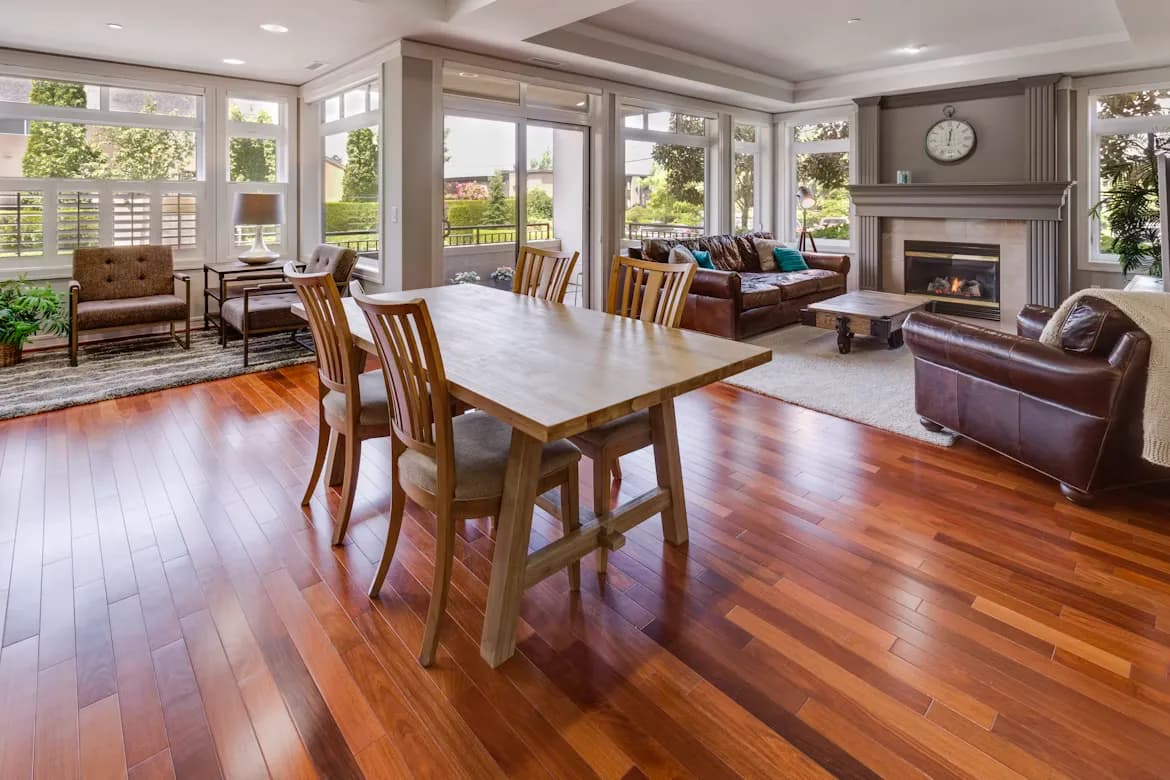
Choosing between hardwood, laminate, and vinyl comes down to how you live in the room and what conditions the floor needs to handle. In Centre Wellington, our seasons test our floors. Winters bring road salt and snow on your boots. Summers bring humidity, and spring thaw can make basements damp. Each flooring type reacts to these changes differently.
Hardwood Flooring
Hardwood is traditional, solid wood throughout or engineered with a real wood veneer over a sturdy core. It brings natural warmth and character that changes subtly as it ages.
Because hardwood is natural wood, it expands and contracts with changes in indoor humidity. Our dry Ontario winters and humid summers mean you need to manage your home's moisture levels to keep boards from gapping or cupping.
- Best spots: Living rooms, dining rooms, bedrooms, and main-floor hallways.
- Things to consider: It does not like standing water, melting snow, or damp concrete subfloors. It is generally not suited for basements or full bathrooms.
Laminate Flooring
Laminate is built with a dense wood fibreboard core, a high-resolution photograph of wood on top, and a clear, hard wear layer over that. It gives you the appearance of wood at a different composition.
Laminate provides a very tough surface that resists scratches from pet claws and daily foot traffic. However, its core is still made of wood fibres. While modern laminate handles typical household spills if you wipe them up promptly, trapped moisture or standing puddles from winter boots can cause the edges of the boards to swell.
- Best spots: Bedrooms, living areas, home offices, and playrooms.
- Things to consider: Keep it away from wet entryways and rooms with high moisture levels.
Luxury Vinyl Plank (LVP)
Vinyl plank is made from synthetic materials, often with a solid stone-plastic or wood-plastic composite core and a tough protective surface. It is designed to look like hardwood or stone.
Its main benefit is moisture resistance. Vinyl plank is not bothered by water sitting on the surface. That makes it a practical choice for mudrooms where snowy boots melt, or for basement concrete slabs that tend to stay cool and damp.
- Best spots: Mudrooms, foyers, basements, kitchens, and laundry rooms.
- Things to consider: The floor underneath needs to be smooth and flat, as flexible planks can show bumps or dips from the subfloor over time.
How to Narrow Down Your Choice
To pick the right option, look at the specific room:
- Check the moisture level. If you are finishing a basement or updating a mudroom that sees winter slush, vinyl plank is usually the most dependable choice.
- Look at the subfloor. Hardwood often needs a wood subfloor to nail into, while laminate and vinyl can float over various surfaces, including concrete, with the right underlayment.
- Think about long-term care. Hardwood can often be sanded and refinished down the road. Laminate and vinyl cannot be refinished, but they require very little upkeep beyond sweeping and damp mopping.
Every home in Fergus, Elora, and the surrounding townships has its own quirks, especially older properties with uneven floors or stone foundations.
If you want to see these materials side by side, visit Joseph Flooring and Installation in Fergus. We can look at your room's setup and help you decide what makes sense.
Common questions
- Can I put hardwood in my basement?
- Solid hardwood is not recommended for basements because concrete subfloors hold moisture, and below-grade humidity fluctuates. Vinyl plank is usually a safer option for basement installations.
- What does a new floor cost?
- The cost depends on the size of your room, the specific product you choose, and any preparation your subfloor needs. You can visit the shop or call us to talk about your space.
- Can luxury vinyl plank look like real wood?
- Yes. Modern vinyl plank uses detailed surface textures and realistic grain patterns to closely match the look of natural wood planks.